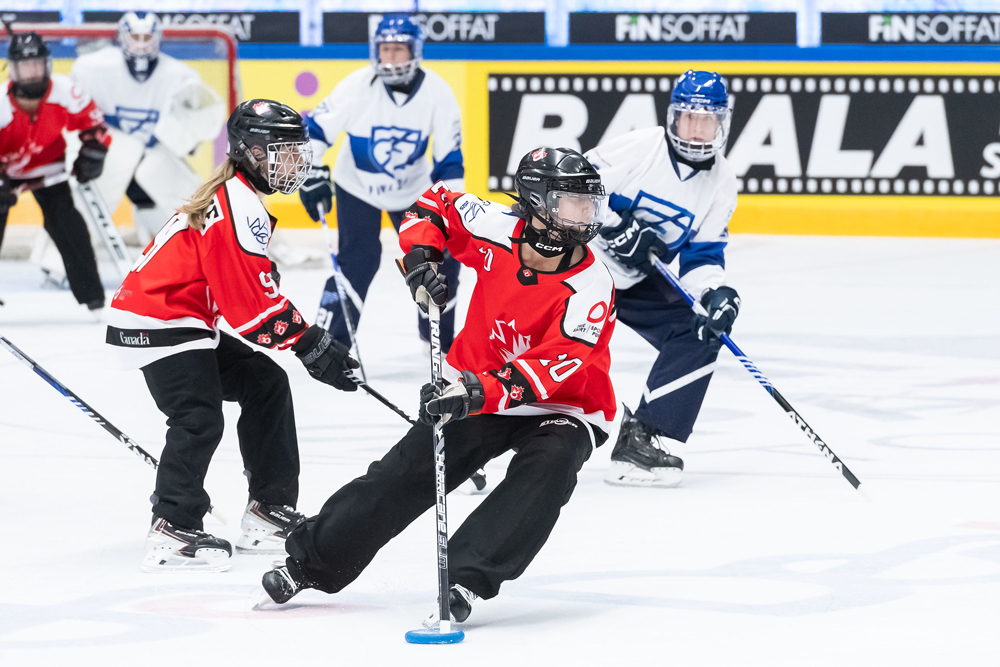
Sportspay Foundation is proud to help support Ringette Canada’s travel to Lahti, Finland,
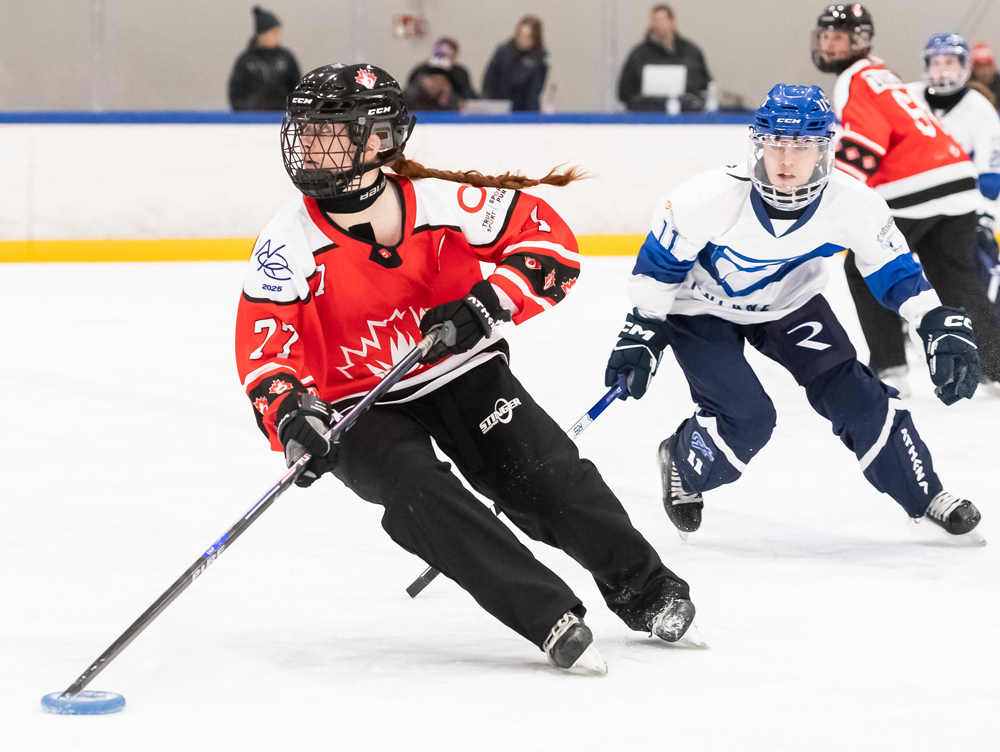
where female athletes competed on the world stage at the 2025 World Ringette Championships. This contribution helped close the financial gap faced by the organization and athletes themselves—covering essentials like flights and training expenses—ensuring Teamn Canada stayed focused on competing. This paid off when Team Canada made it all the way to the Final game – before ultimately losing to the host team.
Ringette: A Proud Canadian Invention With Deep Roots
Ringette is more than a sport in Canada—it’s part of the country’s athletic identity. Invented in 1963 by Sam Jacks in North Bay, Ontario, ringette emerged at a time when women were not allowed to play hockey. Jacks saw an opportunity to create a sport designed for women—one that celebrated speed, finesse, and teamwork.
Since then, ringette has exploded in popularity. Women’s hockey has risen dramatically over the decades, but ringette has grown alongside it, benefiting from greater visibility and increased female participation in ice sports. Today, the sport remains overwhelmingly female (about 98%) and exists as a space specifically built for women and girls to thrive.
What sets ringette apart is its passionate community. Parents, volunteers, athletes, and coaches stay involved for years because of the sport’s uniquely supportive culture. “People who love ringette are incredibly passionate about it,” explains Jenni Lloyd, Communications and Marketing Director at Ringette Canada.
A Sport Built for Inclusion
Ringette prides itself on being very inclusive. Programs for new Canadians, new skaters, mixed- ability athletes, older adults, and players with disabilities are expanding rapidly, driven by dedicated volunteers nationwide.
“Mixed-ability ringette is an incredible initiative,” says Lloyd. “It’s truly for everyone—and that includes age, skill level, and ability.” Started with just one club, the program is now expanding to multiple cities.
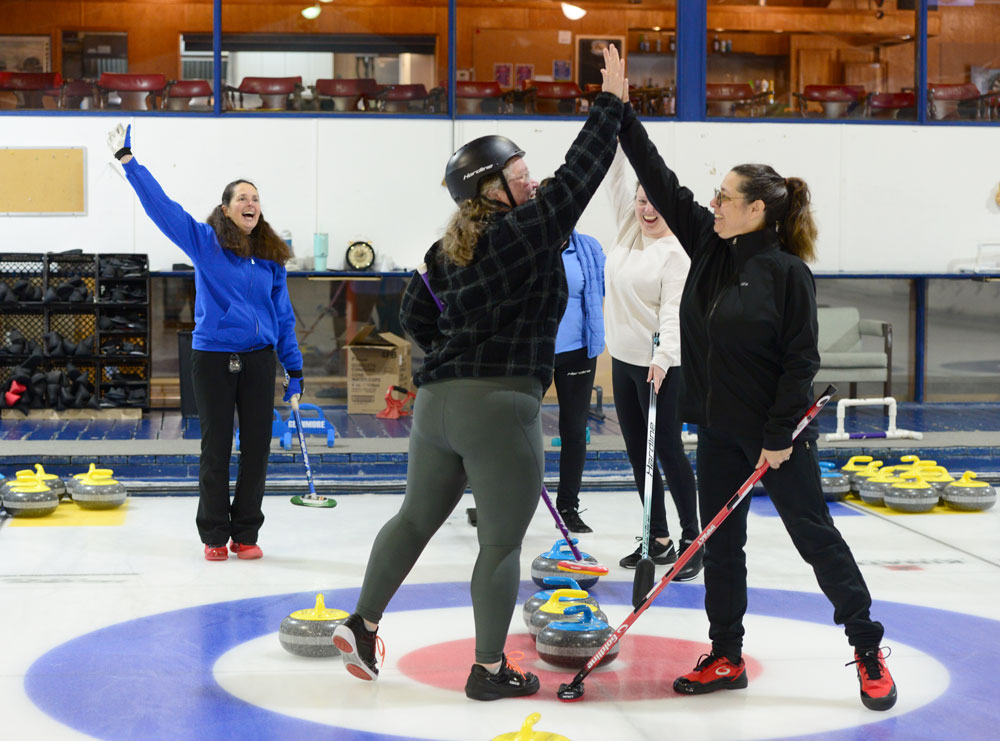
The entry point to the sport is intentionally accessible. Many clubs run free “Come Try Ringette” events for ages 4–15 and adults. All that’s required to try the sport is skates and a helmet. Club fees are often lower than hockey, further reducing financial barriers for families. “Moms Got Game” is another significant initiative—offering free tickets and childcare support at the rink for women who coach or play.
Challenges: Funding, Ice Time, and Visibility
Despite its passionate community, Ringette Canada faces significant challenges:
- Funding Pressure: Sport Canada’s funding pool has not increased since 2005—even though the number of supported sports has grown. This means the same amount of money is now split among more organizations, effectively cutting ringette’s share.
- Ice Time Scarcity: Rink availability remains a major hurdle. Many communities struggle to secure enough ice time, often forcing teams to practice farther from home.
- Exposure: Hockey dominates Canadian ice sports media. Ringette fights to be seen—not as a secondary sport, but as a fast, elite, athletic game deserving of national attention.
“We want to get the sport in front of people,” Lloyd emphasizes. “The athletes are amazing. They take the sport seriously. We need the visibility to match that.”
A New Era of Exposure: Ringette on AWSN & Pluto TV
A major step forward came with Ringette Canada’s partnership with the All Women’s Sports Network (AWSN), launching National Ringette League (NRL) coverage on Pluto TV’s 24/7 global streaming channel. AWSN represents a powerful new market for ringette—one the sport has never fully tapped into. With more than 2,500 hours of women’s sports streamed annually, ringette now has global visibility it has long deserved. “We feel on the cusp of the next level,” says Lloyd. “This is a huge opportunity.”
How Sportspay Foundation’s Support Makes a Difference
While exposure grows, financial barriers to compete remain. Athletes typically cover many travel costs themselves, and this year’s World Championships—featuring Canada’s Senior, Under 21, and developing Under 18 teams—required significant personal investment from families.
Sportspay Foundation’s support directly offsets these costs, lightening the burden on athletes
and ensuring equal opportunity to compete on the world stage. “This contribution helps our community tremendously,” Lloyd shares. “People want to know where their money goes—and in ringette, the culture is strong, transparent, and community- driven. Support like this makes a tangible difference.”